

Introduction
The Philippines manufacturing sector is emerging as a regional growth powerhouse in 2026. Fueled by a young, adaptable workforce, rapid integration of AI and advanced technologies, and rising foreign investment, the country is positioned as a strategic destination for both established manufacturers and tech startups. This analysis uncovers the key manufacturing trends in the Philippines, profiles workforce strengths, shares up-to-date sector data, and explains why the Philippines is a compelling location for new business registration and expansion.
The Philippine Workforce: Age, Education, and Digital Skills
Key Workforce Demographics
- Young Talent Pool: The median age in the Philippines is approximately 25.7 years, making the Philippine manufacturing sector one of the youngest and most adaptable in Southeast Asia.
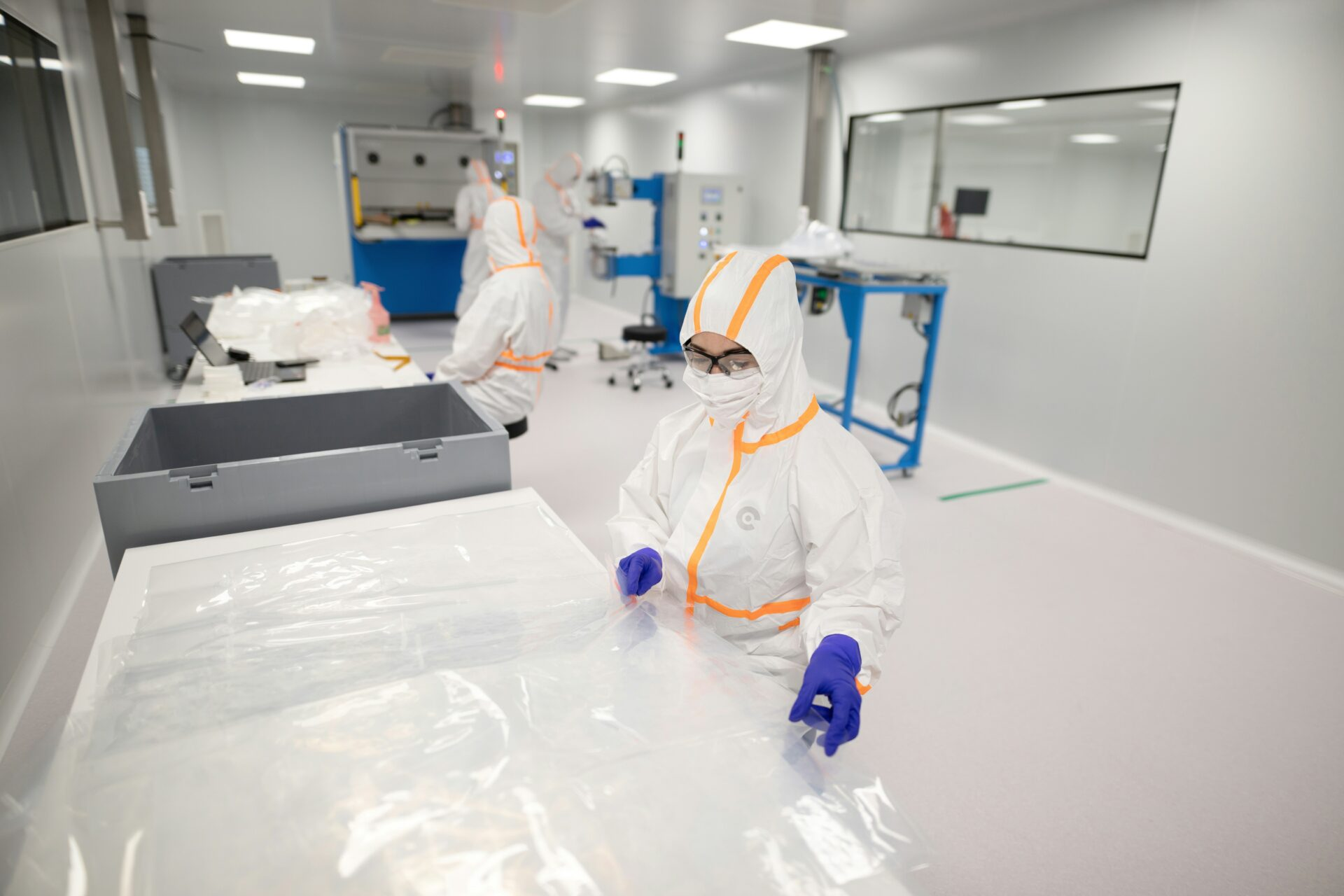
- Skill Diversity: Plant and machine operators comprise about 36% of the total manufacturing workforce, complemented by skilled professionals, technicians, craft workers, and clerical staff.
- Education: Most workers have at least lower secondary education. The surge in upper secondary and technical training prepares the workforce for advanced and AI-driven roles.
- Gender Participation: While males form the majority, female participation continues to rise, especially in electronics and high-precision industries.
- Labor Market Snapshot (2026):
- Employed in manufacturing: 3.6 million
- The Labor force participation rate: 63.9%, among the highest in ASEAN
Table : Philippine Manufacturing Workforce 2026
| Metric | Value |
| Median Age | 25.7 years |
| Workforce in Manufacturing | 3.6 million |
| Labor Force Participation | 63.9% |
| Majority Occupation | Machine Operators (36%) |
| Education Trend | Growing tech/AI skills |
Current Manufacturing Trends in the Philippines
1. Consistent Growth & Strong Exports
- Sector Expansion: In 2026, the Philippines manufacturing sector is projected to reach $89.9 billion USD, growing at a CAGR of 3.5% over the coming years.
- Output Acceleration: The Production increased by 4.9% YoY in May 2026, the fastest rate in the last ten months, led by demand in food processing, transportation equipment, and renewed export momentum.
- Diverse Sub-sectors: Electronics, food & beverage, automotive, aerospace, and textiles drive much of this growth.
2. AI in Manufacturing Philippines & Industry Modernization
- High AI Adoption: 46% of Filipino workers use generative AI monthly, outpacing the global average of 39%. AI use is especially strong in the 18–24 age bracket (64%), highlighting a tech-forward workforce and a strong base for smart factory initiatives.
- Technology Integration: The most significant applications of AI in manufacturing Philippines include process automation, predictive maintenance, and advanced analytics, streamlining production and raising efficiency.
3. Focus on Sustainability and Green Manufacturing
- Eco-Friendly Evolution: Philippine manufacturing trends show companies adopting energy-efficient technologies, sustainable materials, and circular economy practices to boost competitiveness and regulatory compliance.
- Workforce Upskilling: Skill demand is surging for AI-literate technicians, process innovators, and digital systems operators.
4. Positive Business Sentiment & Investment Climate
- Post-Pandemic Optimism: PMI readings remained above 50 in June 2026, confirming sector expansion and robust business sentiment.
- Forecasted Growth: New investments are projected to create over 5,000 jobs in manufacturing in 2026, supported by controlled inflation and government incentives for exporters.
Philippines Business Registration: Opportunities for Investors and Tech Companies
- Tech-Ready, Young Workforce: The widespread use of AI and digital systems underscores the Philippine manufacturing sector’s appeal for advanced manufacturing and tech ventures.
- Ease of Business: The government has streamlined company registration, simplified tax processes, and introduced online business portals, making business registration in the Philippines more attractive than ever.
- Strategic Growth Sectors: High-growth areas include industrial tech, robotics, electronics manufacturing services (EMS), and environment-friendly production.
- Institutional Support: Initiatives like the Philippine Skills Framework focus on upskilling, digital transformation, and nurturing a ready-to-hire workforce for Industry 4.0.
Key Data: Philippines Manufacturing Sector 2026
| Metric | Value / Trend |
| Manufacturing Output (2026) | $89.9 billion USD |
| YoY Growth (May 2026) | +4.9% |
| Labor Force Participation Rate | 63.9% |
| Workers Using AI Monthly | 46% (64% ages 18–24) |
| PMI (June 2026) | 50.7 (expansion) |
Frequently Asked Questions (FAQ)
H3. What are the fastest-growing sectors in Philippine manufacturing?
Key sectors include electronics, food & beverage, automotive, aerospace, and green manufacturing, reflecting current demand and export trends.
H3. How tech-savvy is the current workforce?
Nearly half of Filipino workers—and almost two-thirds of those aged 18–24—use generative AI monthly, making the workforce one of the most AI-ready in Asia.
H3. Is it easy to register a new business in the Philippines?
Yes. The Philippines offers a streamlined registration process, digital business portals, and helpful institutional support for foreign and local investors.
H3. What government resources can I consult?
Consult the Department of Trade and Industry and S&P Global PMI Philippines for real-time economic and sector data.
Conclusion: The Philippines – Asia’s Next Manufacturing and Tech Powerhouse
The Philippines manufacturing sector in 2026 is vibrant, innovative, and growth-ready. The combination of a young, AI-driven workforce, strong export performance, and business-friendly reforms cements the country as Southeast Asia’s next tech and manufacturing hot spot.
Ready to establish or expand in the Philippines?
Explore Philippine Hub Partners for different comprehensive business registration and market entry support.