

Introduction
The Philippines is on the cusp of a transformative decade. By 2026, two forces-fintech innovation and renewable energy growth are reshaping the nation’s economy. Digital finance is expanding access to services once out of reach for millions, while clean energy projects are addressing climate goals and energy security.Together, these trends point to a future defined by inclusive financial systems, sustainable development, and foreign investment opportunities. For investors, businesses, and policymakers, understanding how Philippines fintech trends 2026 intersect with the nation’s renewable energy agenda is key to navigating this new era of growth.
Fintech in the Philippines: From Digital Payments to Cross-Border Innovation
Explosive Market Growth
According to Datacube Research, the Philippines fintech market is projected to reach USD 365.23 billion by 2032, growing at a CAGR of 21.5% (2024–2032). By 2026, digital payments will dominate, with QR-enabled wallets like GCash already reporting 94 million active users (2025).
This rapid adoption signals a cultural and technological shift-digital wallets Philippines 2026 are no longer a luxury, but a necessity.
Driving Financial Inclusion
The fintech boom is more than a technology story-it’s a social one. Senate Bill No. 2781 (2025) mandates government digital payment systems to modernize public transactions. By 2026, this initiative could bring millions of unbanked Filipinos into the formal economy, advancing financial inclusion.
Cross-Border Payment Revolution
Remittances are the lifeline of the Philippine economy, reaching USD 3.13 billion in 2025. By July 2026, the BSP’s instant cross-border payment system will launch, reducing costs and increasing transparency for overseas workers.
This positions fintech as both a domestic growth engine and a global connector, linking overseas Filipinos with the nation’s digital economy.
Renewable Energy: The Clean Power Transition
Policy Commitments
The Philippine Energy Plan 2023-2050 outlines ambitious targets:
- 35% of energy mix from renewables by 2030
- 50% by 2040
These commitments underscore the urgency of Philippines renewable energy growth in meeting climate goals.
Investment Momentum
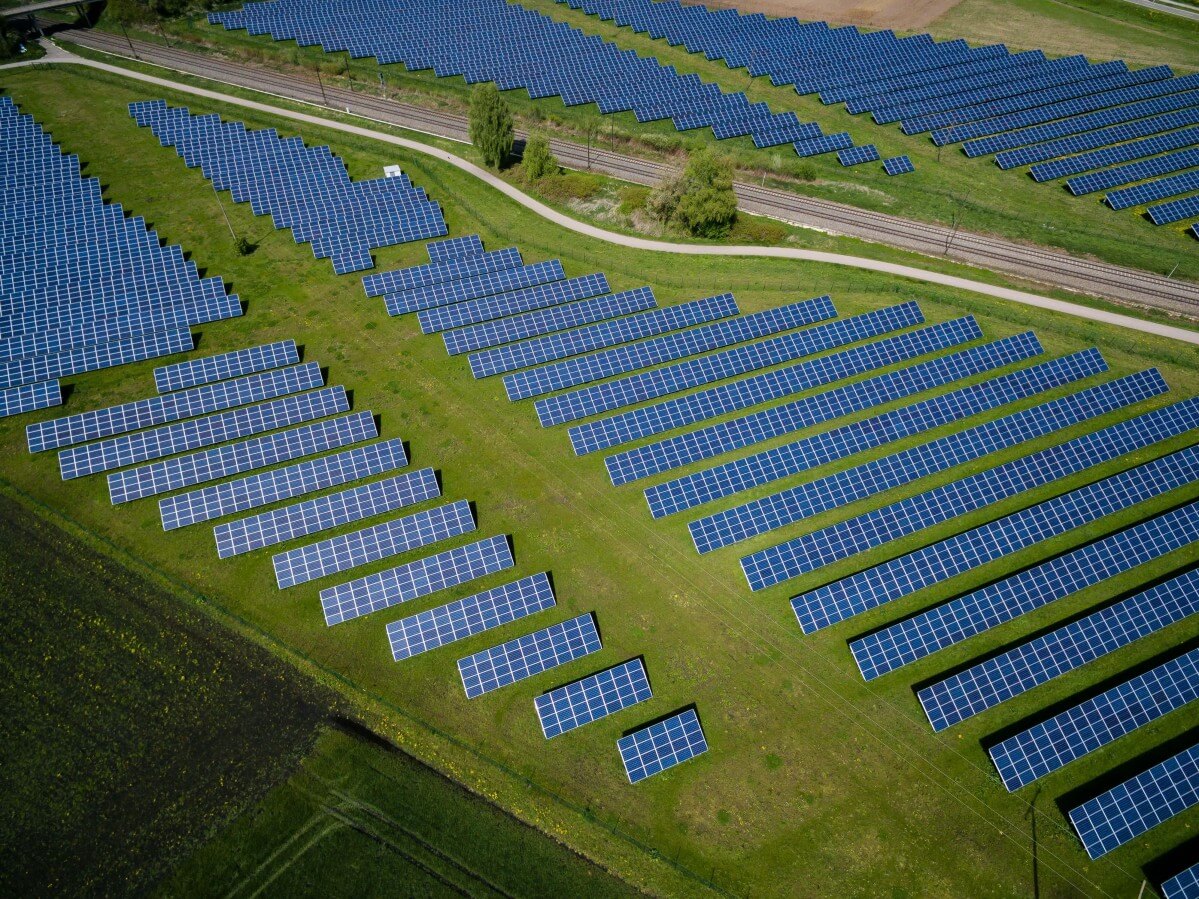
Hydropower, solar, and wind projects are gaining traction. International investors are backing large-scale solar farms in Luzon and offshore wind projects in Visayas. These initiatives are not only decarbonizing the grid but also creating jobs and improving energy access.
Energy Security and Competitiveness
With the Philippines heavily dependent on imported fossil fuels, renewables offer resilience against price shocks. By 2026, scaling the Philippines clean energy transition is as much about economic stability as it is about sustainability.
The Convergence: Fintech + Renewable Energy
What makes 2026 exciting is not just the parallel rise of fintech and renewables, but their intersection:
- Green Financing Platforms – Fintech apps are enabling micro-investments into solar and wind projects, democratizing energy transition financing.
- Blockchain in Energy Trading – Pilot programs are testing peer-to-peer renewable energy trading using blockchain payments.
- Sustainable Investments – ESG-focused funds are tapping fintech-enabled payment systems to direct capital into renewable energy startups.
For investors, this convergence represents a unique opportunity to align profitability with sustainability.
Risks and Challenges Ahead
Even with strong momentum, challenges persist:
- Regulatory Alignment: Fintech and renewable energy sectors both face evolving policy landscapes. Investors must track legislative shifts closely.
- Cybersecurity Risks: As fintech adoption Philippines accelerates, digital fraud and data privacy risks could undermine consumer trust.
- Infrastructure Gaps: Energy transition requires modernized grids and reliable connectivity-areas where bottlenecks remain.
Why 2026 is a Turning Point
The Philippines’ youthful, tech-savvy population (median age 25) and growing middle class provide fertile ground for both fintech and clean energy adoption. By 2026:
- Digital finance will be central to economic participation.
- Renewable energy will be critical to climate resilience and security.
- The convergence of both will redefine the nation’s growth model.
This transformation positions the Philippines not just as a fast-growing Southeast Asian economy, but as a testbed for sustainable digital innovation.
FAQs
Q1: What are the key Philippines fintech trends 2026?
A: The biggest trends include digital wallets surpassing 100 million users, government-led digital payments for public services, and the launch of an instant cross-border payment system by BSP in 2026.
Q2: How is renewable energy growing in the Philippines?
A: Guided by the Philippine Energy Plan 2023–2050, the country targets 35% renewables in its power mix by 2030 and 50% by 2040. Solar, wind, and hydropower projects are expanding rapidly.
Q3: Why is the year 2026 significant?
A: It marks the launch of key cross-border fintech infrastructure and accelerated clean energy investments, making it a pivotal year for both financial inclusion and sustainability.
Q4: How are fintech and renewable energy connected?
A: Fintech platforms are driving green financing and blockchain-based renewable energy trading, creating synergies between digital finance and sustainability.
Key Takeaways
- Fintech adoption in the Philippines is accelerating financial inclusion and remittance efficiency.
- Renewable energy growth is central to climate goals and economic stability.
- By 2026, the intersection of fintech and renewables will shape a new era of inclusive, sustainable growth.
Explore insights, frameworks, and expert analysis from Philippine Hub Partners to better understand how fintech and renewable energy are reshaping the Philippines’ growth story.